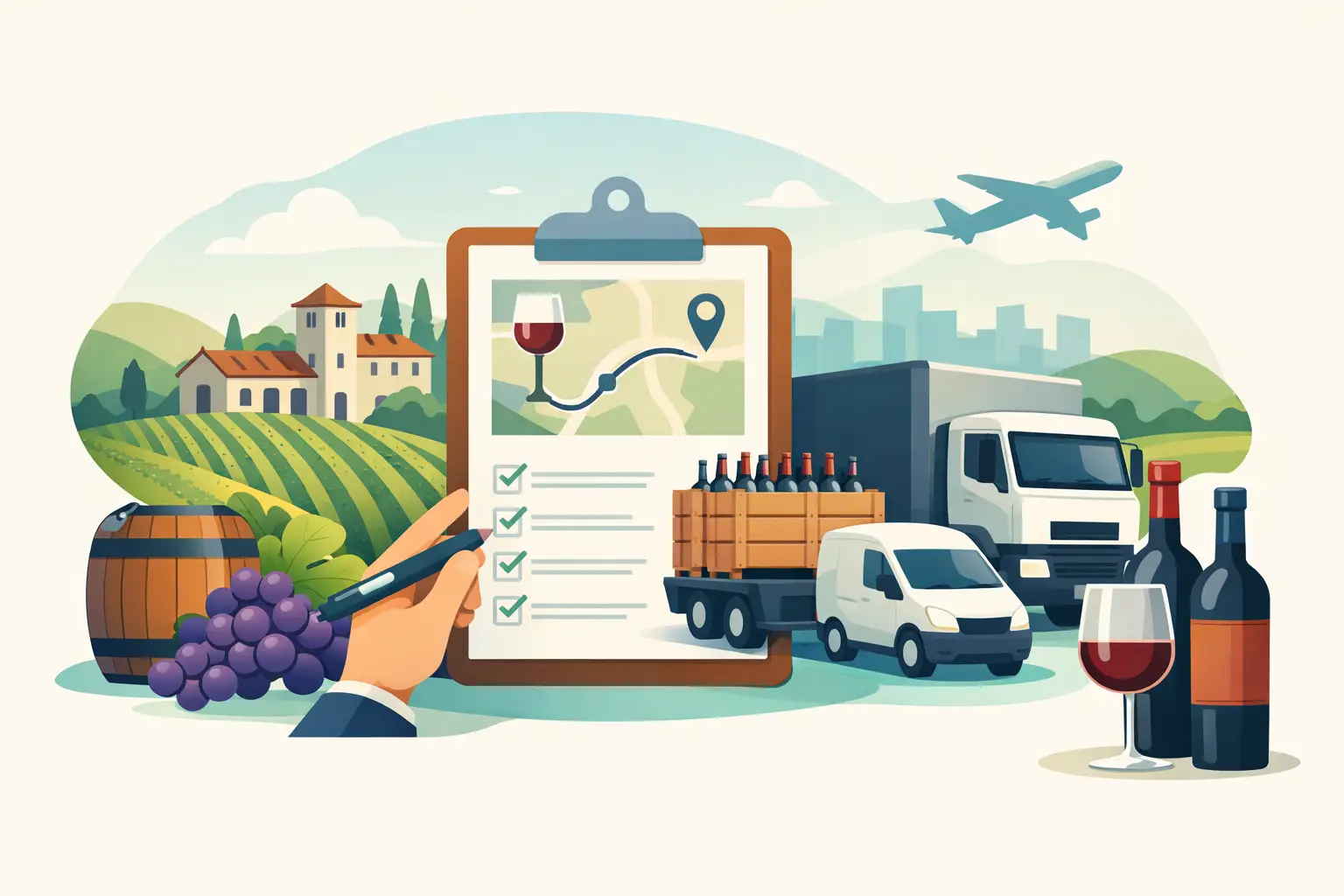
A great winery day can fall apart before the first tasting. The usual problem is not the wine. It is timing that runs long, a driver who does not know the region, a vehicle that feels cramped after the second stop, or a group trying to coordinate around parking, maps, and changing plans. If you are deciding how to plan winery transport, the goal is simple: protect the experience from unnecessary friction.
For premium travelers, transport is not a side detail. It shapes the pace of the day, the level of comfort between visits, and whether the itinerary feels curated or improvised. The right plan gives you privacy, punctuality, and the freedom to enjoy each winery without watching the clock or assigning someone to stay sober and drive.
How to plan winery transport around the day you actually want
The best itineraries do not start with a vehicle. They start with the type of day you want to have. A couple visiting two iconic estates and a long lunch needs a very different transport plan from a corporate group fitting in four appointments, or a family balancing wine tasting with sightseeing.
Start by defining the rhythm. Do you want a slow, elegant day with time to linger, or a more structured itinerary with precise arrival windows? Most winery visits last longer than people expect, especially when the host is generous, the cellar tour runs over, or lunch becomes part of the occasion. Building in breathing room matters.
A common mistake is trying to fit too much into one day. On paper, four wineries may look efficient. In practice, it can feel rushed, especially if the properties are spread out or include private tours. For most guests, two or three well-chosen visits create a more refined experience than racing through a longer list.
Transport planning should also account for the style of roads in wine regions. Distances can appear short, but rural access roads, town traffic, and estate entrances all affect timing. What looks like a quick transfer can take longer than expected, particularly if the day includes a lunch reservation or a hard deadline at the end.
Choose the right vehicle, not just any ride
If you are planning winery transport for a premium experience, the vehicle should match the occasion. This is not only about appearance, although presentation matters. It is also about space, ride quality, climate control, luggage capacity, and how comfortable everyone feels between stops.
For couples or executives, a luxury sedan usually offers the quietest and most private setting. For small groups, families, or guests carrying purchases, a premium van often makes more sense. The extra room changes the day. People can settle in, speak comfortably, and avoid the fatigue that comes from spending hours in a vehicle that is technically adequate but not truly comfortable.
There is also the matter of image. If the day includes hosting clients, celebrating a milestone, or arriving at a well-known estate with reservations under your name, ordinary transportation can feel out of step with the standard of the rest of the itinerary. A polished chauffeur service creates continuity from the first pickup to the final drop-off.
Timing is where winery transport plans succeed or fail
Many travelers focus on where they are going and underestimate when they should leave. The most reliable winery transport plans are built backward from fixed reservation times. If your first tasting is at 11:00 a.m., your departure time should not simply reflect the drive. It should include a margin for traffic, hotel pickup logistics, and the possibility that the group is not standing outside the moment the car arrives.
This becomes even more important when airports are involved. If you are landing and heading directly into wine country, delays, baggage claim, and flight coordination need to be part of the transport plan. The same is true on departure day. A relaxed winery lunch feels very different when your return transfer has been timed correctly and no one is calculating the risk of missing a flight.
A professional chauffeur service should help shape realistic timing, not simply accept an overpacked schedule. That guidance is part of the value. Good transport is not just driving. It is itinerary protection.
Build in room for the unexpected
Wine travel is one of the few categories of luxury tourism where running slightly late can happen for pleasant reasons. A host opens an additional vintage. The view deserves ten more minutes. Lunch stretches naturally. Those moments are often the highlight of the day.
That is why rigid scheduling can work against you. It is better to leave small buffers between stops than to create a plan where every delay compounds. If one winery runs 20 minutes over and the rest of the day collapses, the issue was not the host. It was the transport plan.
Private chauffeur or self-drive?
For a serious wine day, this is usually an easy decision. Self-driving may seem flexible, but it introduces compromises immediately. Someone has to stay responsible behind the wheel. Parking becomes part of every stop. Navigation distracts from the experience. And if the region is unfamiliar, wrong turns and timing errors are more likely than most visitors assume.
A private chauffeur changes the tone of the day. You travel in quiet comfort, keep the group together, and move through the itinerary without administrative effort. There is no discussion about routes, no waiting for ride availability in rural areas, and no awkward transition between a premium tasting and a basic pickup experience.
For international visitors, bilingual service also matters more than people expect. It simplifies coordination with hotels, wineries, and airport staff, and it removes the small misunderstandings that can chip away at an otherwise polished trip.
How to plan winery transport for groups
Group winery transport requires more than booking a larger vehicle. The real challenge is coordination. Who is the main point of contact? Are all guests starting from the same hotel? Is anyone joining late or leaving early? Will purchases need to be stored during the day? These details affect vehicle choice and scheduling.
The larger the group, the more valuable structure becomes. That does not mean the day should feel rigid. It means the logistics should be settled in advance so the atmosphere remains relaxed. A well-managed group transfer feels effortless precisely because someone has already thought through the sequence.
Corporate groups need an even tighter standard. Timing, presentation, and discretion are part of the host’s image. In that setting, transport is not a background service. It reflects the professionalism of the entire event. This is where protocol, polished presentation, and consistency matter most.
Do not overlook the return journey
Most people spend time planning how to get to the wineries and far less time planning how the day ends. That is a mistake. After tastings and lunch, comfort becomes more valuable, not less. Guests are tired, purchases may need room, and hotel or airport drop-offs should be organized cleanly.
If dinner is part of the plan, the schedule should account for that from the start rather than treating it as an add-on. A premium day deserves a composed finish.
Questions to settle before you book
Before confirming winery transport, make sure you know the pickup address, the full list of stops, the estimated duration of each visit, and whether lunch is fixed or flexible. Confirm the number of passengers and how much space you need for wine purchases. If any guests are arriving by air or train, provide those details early.
It is also worth asking whether the provider understands the specific wineries and routes involved. Local knowledge is not a luxury extra in wine country. It directly affects punctuality, route efficiency, and the quality of the day. A chauffeur who knows the rhythm of the region can anticipate issues before they become visible to the guest.
In a destination such as La Rioja, where estates range from iconic architecture to tucked-away family properties, that familiarity makes a noticeable difference. It means less time solving logistics and more time enjoying what you came for.
The standard should match the occasion
If you are investing in winery reservations, private tastings, or a carefully planned weekend, transport should support that standard rather than dilute it. That is why premium travelers often prefer a dedicated chauffeur service over conventional taxi arrangements or pieced-together transfers. The difference is not only luxury. It is consistency, discretion, and a calmer way to move through the day.
For guests who want that level of service, a company such as RiojaBlack fits naturally into the experience – especially when the itinerary includes top wineries, business hosting, or airport coordination around a wine-focused stay.
The best winery transport plan is the one you barely have to think about once the day begins. You step in, settle back, and let the region unfold at the right pace.
Deja una respuesta