Egilea: RiojaBlack

  • Bilbao to Rioja Transfer Options Explained

    Bilbao to Rioja Transfer Options Explained

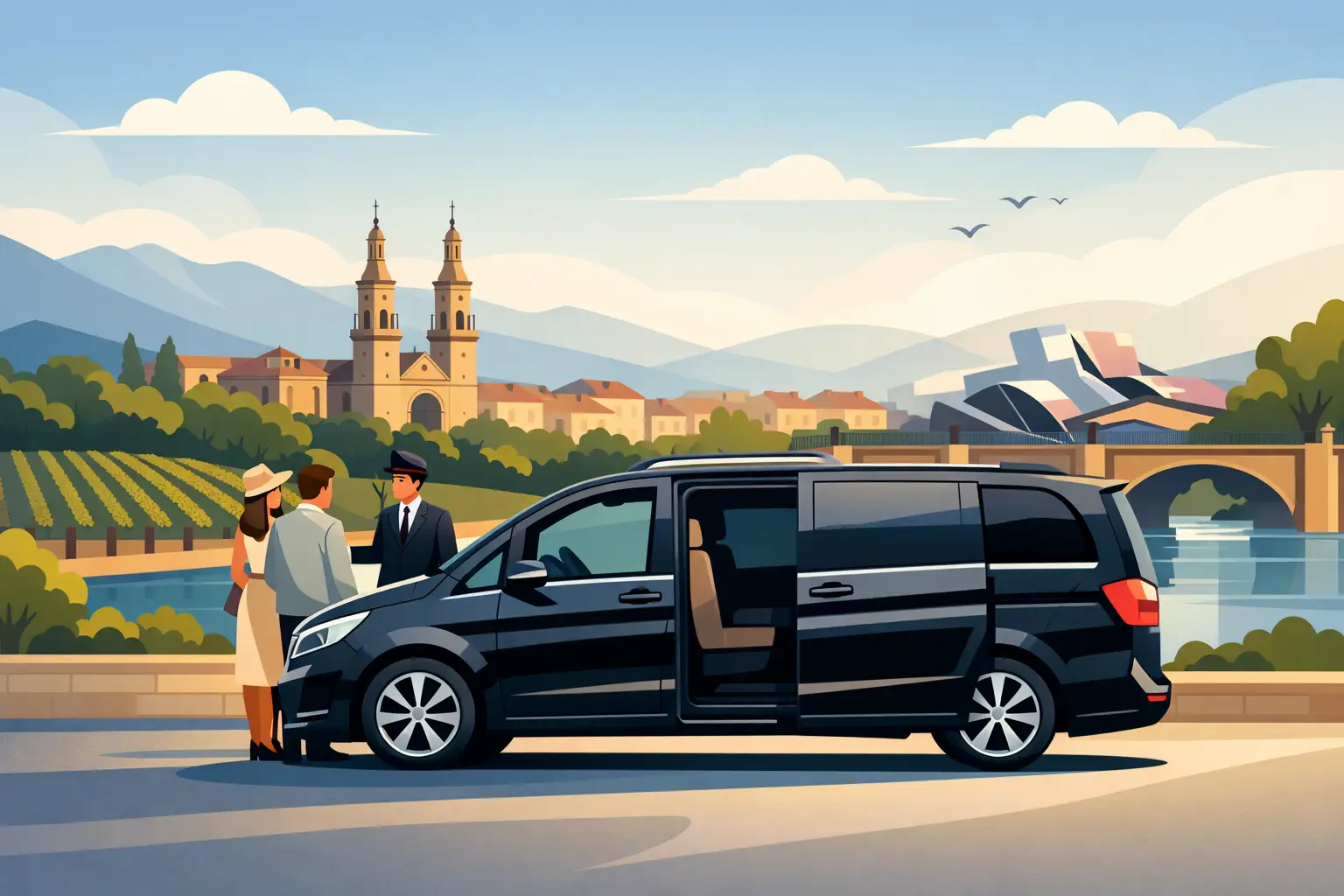
    Landing in Bilbao is often the easy part. The real decision starts when you need to get from the airport or city center into Rioja, where timing, comfort, and local roads matter more than many travelers expect. If you are comparing Bilbao to Rioja transfer options, the right choice depends less on distance alone and more on the kind of trip you are planning.

    For some travelers, a basic point-to-point ride is enough. For others, especially corporate guests, couples on a wine itinerary, or families carrying luggage for several days, the transfer is part of the experience. Rioja is not a single drop-pin destination. You may be headed to Logroño, Haro, Laguardia, or an estate tucked among vineyards, and each route changes the equation.

    Bilbao to Rioja transfer options at a glance

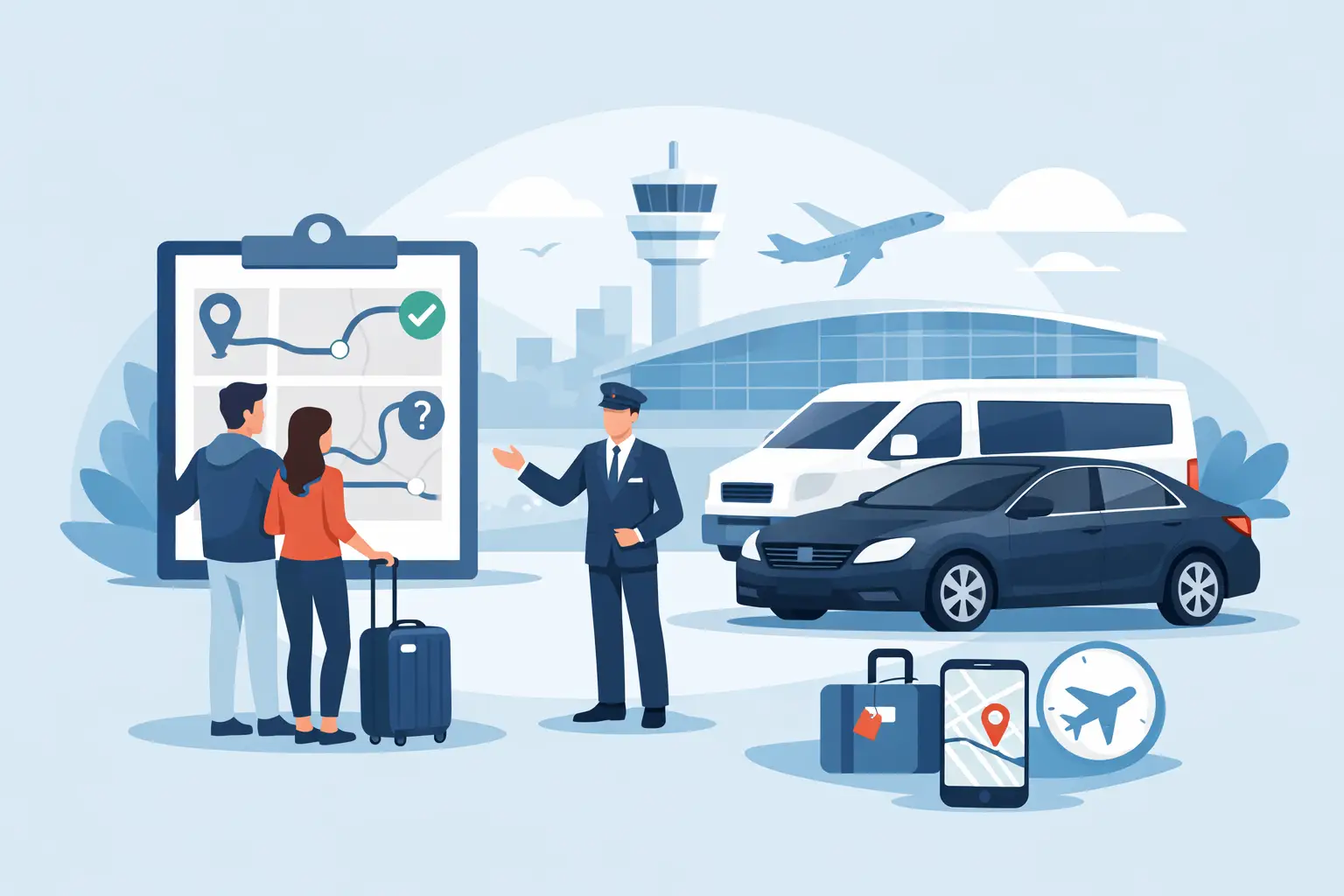
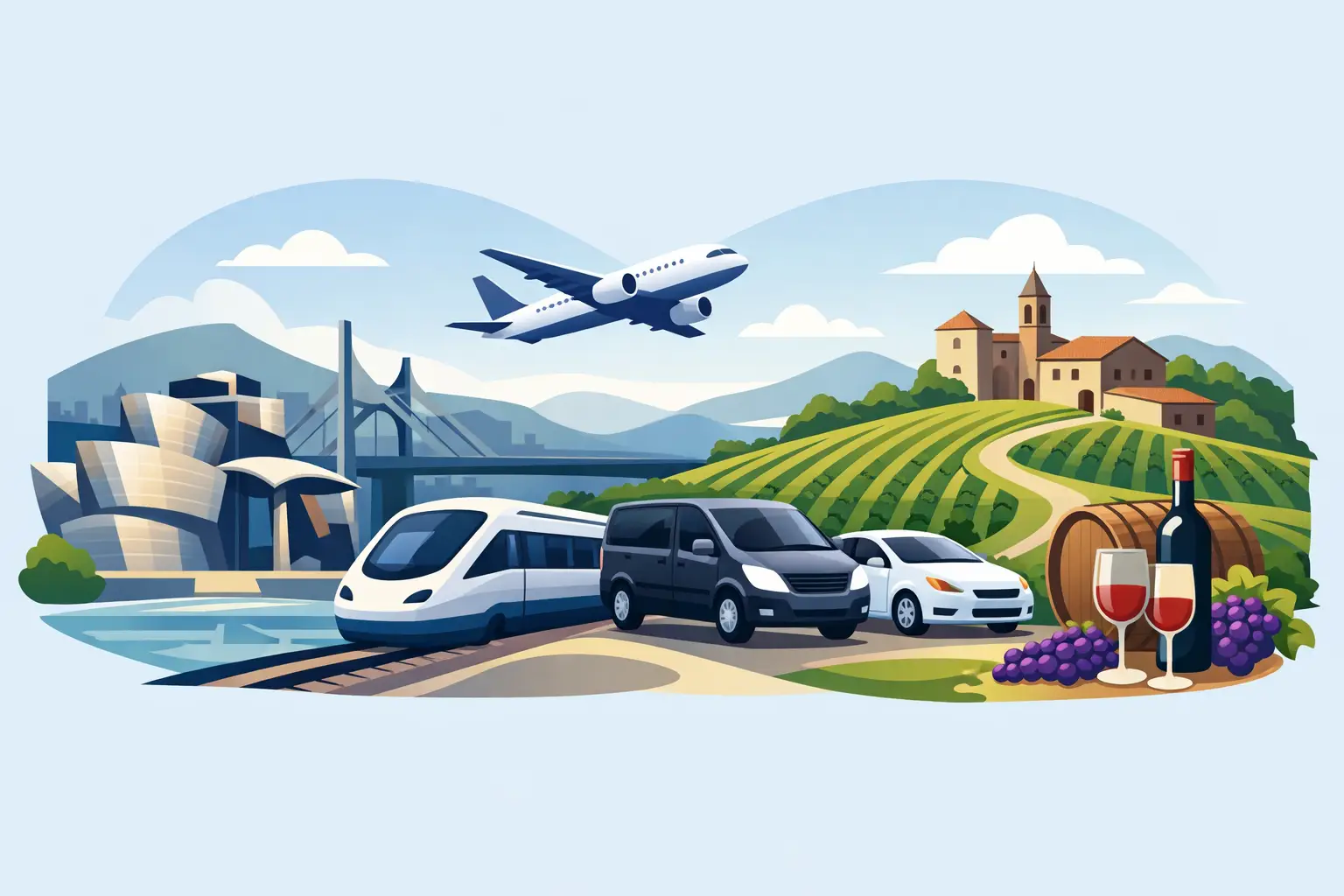
    The main ways to travel are rental car, standard taxi, public transportation, and private chauffeur service. All can get you there. What changes is the level of control, comfort, privacy, and coordination.

    A rental car offers independence, which can appeal if you plan to move between villages at your own pace. A standard taxi may work for a straightforward transfer, though availability and vehicle category can be inconsistent for longer intercity routes. Public transportation is the budget choice, but it tends to involve more planning, less flexibility, and limited usefulness if your final destination is a winery, hotel outside town, or a multi-stop itinerary. A private chauffeur is the most tailored option, especially when schedule precision, premium presentation, and onboard comfort are part of the brief.

    Rental car – useful for independence, less ideal for pure comfort

    If you enjoy driving and want full freedom, renting a car in Bilbao can make sense. The route into Rioja is manageable, and for travelers building a self-directed stay with restaurant reservations, village visits, and a flexible timeline, a car gives autonomy.

    The trade-off is that someone still has to drive. After a flight, that can feel less appealing than it looked during the booking stage. It becomes even less attractive if the trip includes winery visits, lunch with pairings, or evening dining. Parking is generally easier in Rioja than in a major city, but not every hotel or winery arrival feels elegant when you are navigating an unfamiliar road network, checking maps, and dealing with rental counters.

    For business travelers, the issue is different. A rental car can undermine the polished rhythm of the day. Instead of using transfer time for calls, preparation, or quiet rest, you are focused on the road.

    Standard taxi – simple in theory, uneven in practice

    A taxi is often the first option travelers think of when arriving at Bilbao Airport. For shorter urban trips, it is a practical default. For Rioja, it becomes more variable.

    The first question is availability for a longer-distance journey. The second is comfort level. Not every taxi is configured for executive travel, substantial luggage, or small groups who want space. If you are traveling as a couple with checked bags, the ride may be perfectly acceptable. If you are arriving with colleagues, children, wine purchases on the return, or expectations of a first-class experience, a taxi may feel purely functional.

    There is also the matter of predictability. Premium travelers usually want to know in advance who is meeting them, what vehicle will arrive, how the pickup is handled, and whether the driver is accustomed to high-end hospitality. Standard taxi service is not built around that level of protocol.

    Public transportation – best for flexible, price-sensitive travel

    Public transport between Bilbao and Rioja can work, particularly if your schedule is open and your destination is a major town. Depending on the route, this may involve bus connections rather than a direct, door-to-door journey.

    For independent travelers with light luggage and no fixed appointments, this can be perfectly reasonable. But Rioja travel rarely stays that simple. Many hotels, wineries, and event venues are not adjacent to a bus station. Once you arrive in the region, you may still need a secondary transfer.

    This option tends to lose value when time matters. If you are landing after a long international itinerary, attending a corporate meeting, or heading to a reserved tasting, public transportation can turn one transfer into a chain of logistics. It saves money, but usually at the expense of convenience and control.

    Private chauffeur service – the premium answer for a reason

    For travelers who value discretion, punctuality, and comfort, a private chauffeur is usually the strongest of all Bilbao to Rioja transfer options. The difference is not just the vehicle. It is the structure around the journey.

    A properly managed chauffeur transfer includes advance scheduling, direct pickup, professional presentation, luggage assistance, route planning, and a calm onboard environment. That matters when you are arriving from overseas, traveling with senior executives, coordinating a special celebration, or simply preferring travel that feels composed rather than improvised.

    It also solves one of Rioja’s practical realities: your destination may be highly specific. A private chauffeur can take you directly to a boutique hotel, winery estate, restaurant, wedding venue, or private residence without the friction of transfers, parking, or navigation.

    For many clients, the most valuable feature is consistency. You know what has been reserved, who is handling the service, and what standard of vehicle and driver conduct to expect. In premium mobility, certainty is part of the luxury.

    Which option fits your type of trip?

    For wine tourism

    If the trip includes tastings, long lunches, or multiple winery visits, driving yourself is rarely the best use of the day. Rioja is a region to enjoy at a relaxed pace. A chauffeur-led transfer lets the arrival feel like the beginning of the experience, not just a commute. It also creates a better bridge into the stay if your transfer continues as a private touring service.

    For business and executive travel

    Corporate travelers usually need exact timing, discretion, and a vehicle that reflects professional standards. Public transport is too rigid, and a taxi can feel inconsistent. A private executive transfer is generally the right fit because it supports productivity and image at the same time.

    For couples

    A couple arriving for a weekend in wine country may be deciding between cost efficiency and atmosphere. If the trip is centered on celebration, gastronomy, or a premium hotel stay, the transfer should match the rest of the itinerary. A polished private car sets the tone immediately.

    For families and small groups

    Space changes everything. Luggage, child seats, and the desire to travel together comfortably make larger premium vehicles especially useful. This is where a standard sedan taxi can quickly feel too limited, while a well-appointed van or executive people carrier makes the journey noticeably easier.

    What premium travelers should look for

    When comparing services, do not focus only on the quoted fare. Look at the full travel standard. Vehicle category matters, but so do driver professionalism, bilingual support, pickup coordination, and the ability to adapt if a flight is delayed or an itinerary changes.

    It is also worth considering the nature of the roads once you leave Bilbao behind. The route into Rioja is pleasant, but the final approach to hotels, villages, and wineries benefits from local knowledge. A driver who knows the region does more than follow GPS. They understand the timing, access points, and rhythm of travel in wine country.

    That is one reason premium firms such as RiojaBlack position their service so differently from ordinary taxis. The expectation is not only transportation, but first-class ground hospitality.

    How to choose the right Bilbao to Rioja transfer option

    Start with three questions. Do you need schedule precision? Do you want the journey to feel comfortable and private? Will the transfer connect to a broader experience such as meetings, winery visits, or a celebratory stay?

    If the answer is no across the board, a rental car or public transportation may be entirely adequate. If the answer is yes to even one of them, the decision starts to shift. If the answer is yes to all three, a premium private transfer is usually the clearest fit.

    Travel in this part of northern Spain is rarely just about getting from one point to another. A Bilbao arrival often opens the door to wine country, business engagements, or a carefully planned weekend. The smartest transfer choice is the one that protects the tone of the trip from the very first mile.

    Choose the option that lets you arrive in Rioja exactly as you intend to experience it – relaxed, on time, and already in the right frame of mind.

  • Madrid to La Rioja Private Chauffeur Guide

    Madrid to La Rioja Private Chauffeur Guide

    A flight lands in Madrid, your meeting runs long, or a winery lunch in Rioja has to begin on time. That is the moment when a Madrid to La Rioja private chauffeur stops being a luxury extra and starts looking like the smartest way to travel.

    For travelers who value privacy, image, and control over the day, the route from Madrid to La Rioja is not just about getting from one point to another. It is about arriving rested, composed, and exactly on schedule. Whether the destination is a hotel in Logroño, a private estate in wine country, or a corporate event with fixed timings, the quality of the road transfer shapes the entire experience.

    Why choose a Madrid to La Rioja private chauffeur

    This journey is long enough for small frictions to become very noticeable. A rental car means paperwork, navigation, fuel stops, toll decisions, parking, and the fatigue of several hours behind the wheel. A train can work for some itineraries, but only if schedules align neatly with your plans and your final destination is close to the station. Standard taxis are built for short urban transfers, not for a first-class intercity experience.

    A private chauffeur changes the equation. The service is designed around you, not around a fixed timetable or a transport network. Pickup happens where it suits your schedule, whether that is Madrid-Barajas Airport, a hotel, a residence, or an office. The vehicle is prepared in advance, luggage is handled properly, and the route is managed by a professional driver whose job is to make the journey quiet, efficient, and discreet.

    For many clients, the real value is not simply comfort. It is continuity. You step out of one commitment and directly into the next phase of the day without disruption. That matters for executives taking calls, couples beginning a wine weekend, and families who would rather travel together in calm surroundings than split attention across logistics.

    What the experience should feel like

    A premium road transfer should feel measured from the first minute. The vehicle arrives immaculate. The chauffeur is polished, punctual, and professional without being intrusive. Temperature, pace, and onboard atmosphere are managed with care. This is not transport in the basic sense. It is hospitality on the move.

    The difference becomes even clearer on a route like Madrid to La Rioja, where the trip can serve different purposes. Some passengers want a productive environment with privacy for calls and messages. Others want silence after a flight. Others are beginning a celebratory itinerary and want the trip to set the tone. A quality chauffeur service knows that luxury is not noise or excess. It is precision and ease.

    That is also why premium providers rely on executive-class vehicles rather than whatever happens to be available that day. A Mercedes-Benz sedan offers a distinctly different experience from an ordinary car service, especially over several hours. For small groups or families, a Mercedes Clase V gives space without losing the polished presentation that high-end travel demands.

    Madrid to La Rioja private chauffeur for business travel

    Corporate clients often book this route for a very practical reason. Reliability protects the schedule.

    If you are traveling to meetings, winery investment visits, production facilities, conferences, or private corporate events, road transport cannot be left to improvisation. Delays, poor presentation, or a driver unfamiliar with protocol can create the wrong impression before the day has properly started. A private chauffeur service is built to prevent exactly that.

    There is also a reputational element. For executives, board members, VIP guests, and international partners, transport is part of the overall standard of care. The vehicle, the driver’s discretion, and the punctual arrival all communicate something before a word is spoken. That is why executive assistants and corporate travel planners often prefer chauffeured mobility over pieced-together alternatives.

    The route itself supports this logic. A direct transfer from Madrid allows passengers to work en route, adjust plans in real time, and reach destinations across La Rioja without multiple handoffs. In many cases, that is more useful than a train plus local transfer, even if rail appears simpler at first glance.

    When private chauffeur travel makes more sense than train or rental car

    It depends on the trip.

    If you are traveling alone on a flexible budget and your destination is very close to a rail connection, the train may be perfectly reasonable. If you enjoy driving and your plans are casual, a rental car can also work. But those options lose appeal quickly when the trip includes tight timing, premium accommodations, winery reservations, business obligations, older relatives, children, or multiple stops.

    A chauffeur service is especially valuable when arrival matters as much as transport. That includes airport pickups, anniversary trips, high-end wine tourism, and any itinerary with reservations that are difficult to move. It also matters when the destination is not simply La Rioja in general, but a specific hotel, estate, restaurant, or winery tucked beyond the most obvious transport corridors.

    There is a cost difference, of course. Premium private transport is not intended to compete with the lowest-price option. It is intended to remove friction, protect time, and elevate the standard of travel. For clients who already invest in fine hotels, private visits, or executive scheduling, that trade-off is usually easy to understand.

    What to look for in a premium chauffeur provider

    Not every long-distance car service is truly premium. Some advertise private transfers while operating with inconsistent vehicles, limited route knowledge, or drivers better suited to basic taxi work than hospitality-grade service.

    For a Madrid to La Rioja private chauffeur, the essentials are clear. The fleet should be executive level and presented impeccably. The chauffeur should be experienced, discreet, and professionally dressed. Communication should be straightforward, ideally with bilingual support for international travelers. Pickup coordination should be exact, especially for airport arrivals and business appointments.

    Local knowledge also matters more than many travelers expect. La Rioja is not a single-point destination. Guests may be headed to Logroño for a hotel stay, to a winery outside Haro, to a private lunch in the vineyards, or onward to neighboring areas for a broader itinerary. A chauffeur service with real regional knowledge can manage these movements gracefully. One that simply follows a map may get you there, but not with the same confidence or rhythm.

    This is where a specialist premium operator such as RiojaBlack stands apart. The service is designed around first-class mobility standards, not adapted from ordinary urban transport. That distinction shows in the fleet, the driver profile, and the way each trip is coordinated.

    Planning the route with style and flexibility

    One of the strongest advantages of chauffeur travel is the ability to shape the route around the day rather than the other way around. Some passengers want a direct transfer from Madrid to a hotel with no interruptions. Others want the drive to include a discreet stop for coffee, lunch, or a scenic pause before check-in.

    For wine travelers, flexibility is often the deciding factor. You may land in Madrid, travel north in comfort, and continue directly to a first tasting or private visit without the drag of changing transport modes. For corporate travelers, flexibility may mean collecting a colleague, adjusting the pickup time after a delayed flight, or extending the service after a meeting.

    This tailored approach is hard to replicate with standard transport. And it matters because premium travel is rarely only about the main route. It is about how well every detail around that route is handled.

    The arrival matters as much as the drive

    There is a clear difference between arriving and arriving well.

    After several hours on the road, passengers should step out composed, not drained. Clothing should still look sharp. Luggage should appear without fuss. The mood should remain calm. This is one reason affluent travelers and corporate clients continue to choose chauffeur-driven transport even when other options exist on paper.

    The route from Madrid to La Rioja often marks the beginning of something that matters – a private celebration, a high-value meeting, a wine country stay, a family gathering, or a carefully planned itinerary. Starting that journey in a premium vehicle with a professional chauffeur sets a standard that ordinary transport does not reach.

    If the day ahead deserves polish, discretion, and punctuality, the road there should reflect the same standard.

  • VIP Transfer Northern Spain Airports Guide

    VIP Transfer Northern Spain Airports Guide

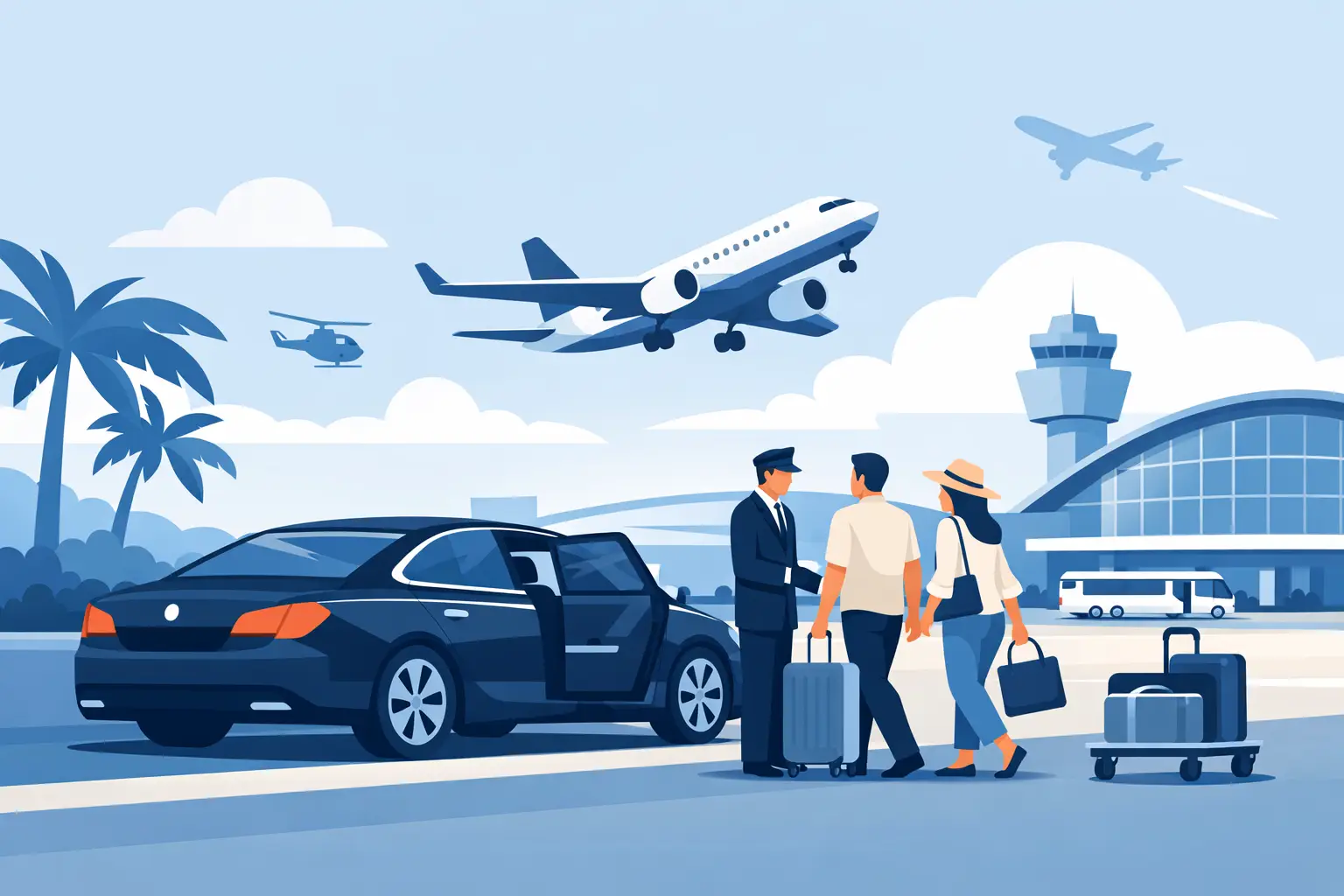
    A delayed arrival into Bilbao can ruin more than a schedule. It can throw off a winery lunch in Rioja, a board meeting in Logroño, or the tone of an entire family trip. That is why vip transfer northern spain airports service is not simply about getting from terminal to hotel. It is about protecting time, comfort, privacy, and the standard of travel you expect from the moment you land.

    In northern Spain, airport strategy matters more than many visitors realize. There is no single hub that serves every destination equally well. Depending on your plans, you may arrive through Bilbao, Pamplona, San Sebastian, Zaragoza, Madrid, or even a secondary route connected to the Basque Country, La Rioja, or nearby business centers. The right chauffeur service does more than wait at arrivals. It understands how these airports function, how road connections affect timing, and which vehicle and pickup protocol fit the purpose of your trip.

    Why VIP transfer northern Spain airports service matters

    Standard airport transport works when price is the only concern. For executive travel, premium tourism, and special occasions, that logic falls apart quickly. A conventional taxi may be available, but availability is not the same as reliability. Vehicle quality varies. Language support can be inconsistent. Space for luggage, presentation, invoicing, and route planning may not meet business or hospitality standards.

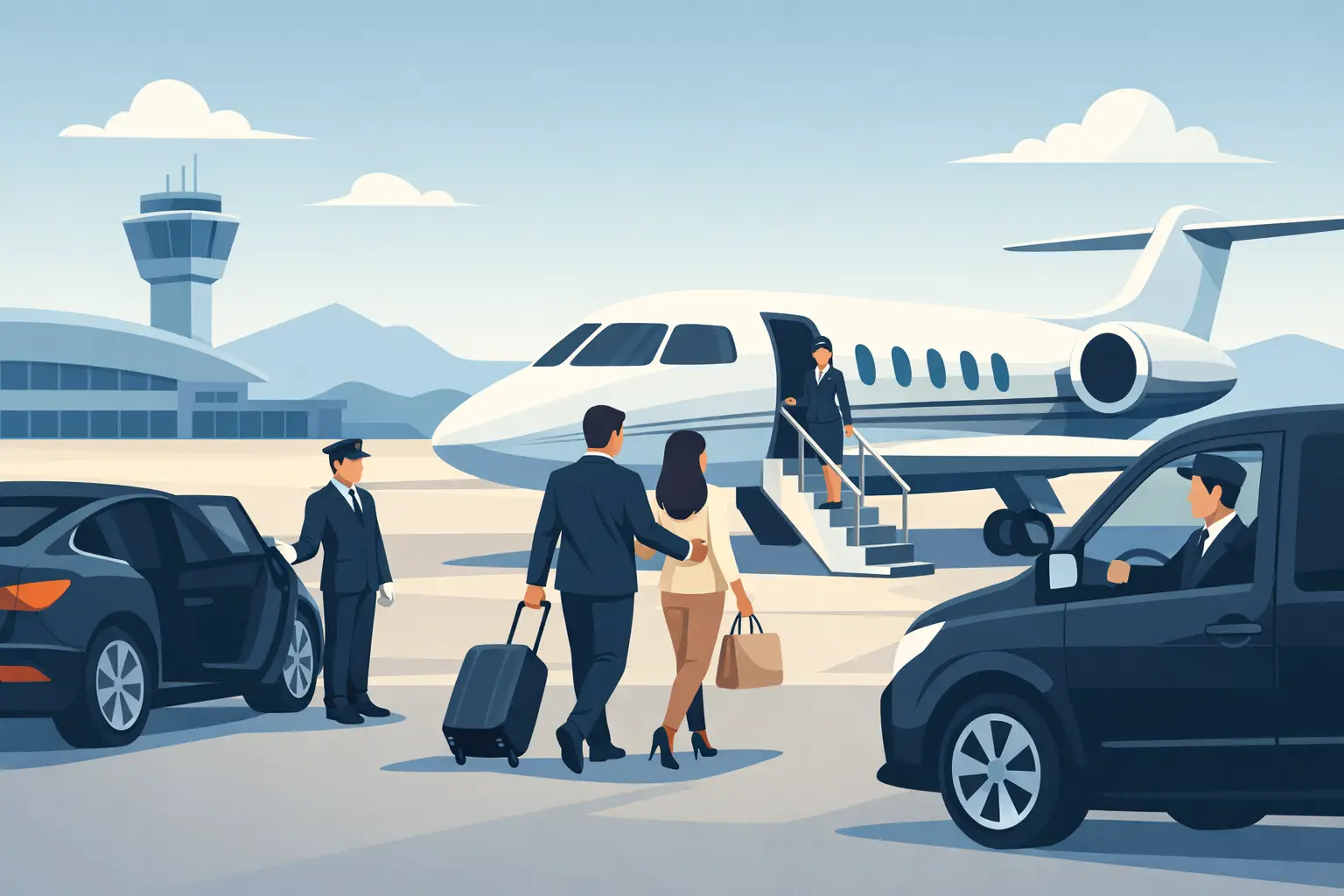
    A proper VIP airport transfer is built around control. Your chauffeur tracks the flight, adjusts for delays, manages pickup timing, assists with luggage, and drives a vehicle that reflects the level of the journey. That difference is especially noticeable after a long international itinerary, when the last thing most travelers want is uncertainty at the curb.

    There is also a softer factor that matters to discerning clients – silence. Premium ground transportation gives you space to decompress, prepare for a meeting, make a private call, or simply enjoy the landscape on the way into wine country. The transfer becomes part of the experience rather than an inconvenience between two better moments.

    Choosing the right airport for northern Spain

    Not every traveler to northern Spain should fly into the same airport. Bilbao is often the strongest choice for international access and for travelers heading toward La Rioja, Vitoria, or the Basque Coast. Pamplona can be highly efficient for certain business routes or shorter regional connections. San Sebastian works well for travelers focused on the coast, though flight options can be more limited. Zaragoza may suit clients with plans in Aragón or those combining several cities in one itinerary.

    Madrid deserves mention even though it sits outside what many would call northern Spain. For international arrivals, it often offers the most practical long-haul connection, especially when timing, airline choice, or premium cabin availability matter more than driving distance. For some clients, a longer chauffeured transfer from Madrid is preferable to a complicated connecting flight with added baggage risk and terminal stress.

    This is where a premium chauffeur company proves its value. The best option is not always the nearest airport. It depends on your schedule, group size, tolerance for connections, and the quality of the onward journey you want.

    For corporate travelers

    Business clients usually prioritize punctuality, discretion, and presentation. If you are flying a senior executive into the region, the airport decision should support the day ahead. A direct arrival into Bilbao with a professional meet-and-greet may be better than a tighter domestic connection into a smaller airport if any delay would put meetings at risk.

    Corporate travel also benefits from protocol. Clean vehicles, bilingual chauffeurs, smooth invoicing, and a polished arrival standard are not cosmetic details. They shape how the trip feels and how your organization is represented.

    For wine and leisure travel

    Luxury leisure travelers often think first about destination and only later about transit. In practice, the route into the region sets the pace. A private transfer from Bilbao to Rioja wine country can feel calm and refined, particularly when the vehicle is spacious, quiet, and suited to couples, families, or small groups. The road journey becomes a gentle arrival rather than an administrative chore.

    If your itinerary includes wineries, fine dining, or a hotel with strong service credentials, it makes sense for the transportation to match that level from the start.

    What to expect from a true premium airport transfer

    A premium airport transfer should feel intentional at every stage. Flight monitoring is basic, not a luxury. Meet-and-greet service should be clear and unobtrusive. The vehicle should be immaculate, climate-controlled, and selected for the party size rather than assigned randomly. If you are traveling with colleagues, children, extra luggage, or special event attire, those details should be handled before arrival day, not improvised on the spot.

    Vehicle choice matters more than many clients expect. A Mercedes-Benz S-Class suits executive solo travel and couples who want a more private, elegant arrival. A Mercedes-Benz V-Class is often the better option for small groups, families, or travelers with substantial luggage who still want first-class comfort. Electric models can also appeal to clients who want premium travel with a quieter and more contemporary footprint.

    The chauffeur matters even more than the vehicle. Professional presentation, local knowledge, and discretion define the experience. A driver who knows where to position for a fast airport exit, which route avoids congestion, and how to adapt to a client who wants conversation or complete quiet will always outperform a generic transfer service.

    VIP transfer northern Spain airports for different trip types

    The same transfer model does not suit every traveler. That is where many transport providers fall short. They sell a car journey. A premium operator builds around context.

    For executive assistants arranging travel, certainty is the priority. You need confirmation, punctual pickup, and confidence that the client or leadership team will be received at the expected level. For couples on a winery itinerary, the emphasis is different. They may care more about comfort, elegance, and beginning the trip without friction. For families, cabin space, luggage handling, and child seat coordination become essential. For weddings and private events, timing and presentation become part of the event itself.

    There is also a difference between point-to-point transfer and a flexible chauffeured service. If your flight arrival is only the beginning of a day that includes a stop in Logroño, a meeting in Vitoria, and dinner at a winery hotel, booking a vehicle with waiting time or a tailored itinerary is often smarter than separating the day into multiple transport segments.

    The trade-off between cost and value

    VIP airport transfers cost more than a taxi. That is obvious. The better question is what the higher rate actually buys.

    It buys reduced uncertainty. It buys consistency in vehicle quality and chauffeur standards. It buys comfort after a long-haul flight, room for luggage, and a service level appropriate for business hospitality or luxury travel. For many clients, especially those traveling for a corporate purpose or a high-value leisure stay, the cost difference is small compared with the value of time protected and stress avoided.

    That said, not every itinerary needs the highest-spec vehicle. A good premium mobility partner will guide that choice honestly. If a V-Class is more practical than an S-Class for your group, that is not a downgrade. It is better planning.

    When local knowledge makes the difference

    Northern Spain rewards travelers who plan well. Distances can look short on a map but feel longer when flight schedules, rural roads, winery appointments, or event timings are involved. A local premium operator understands how airport transfers connect with the region itself.

    That knowledge matters if you are landing in Bilbao and continuing to Haro, Laguardia, or Logroño. It matters if your arrival needs to coordinate with a hotel check-in, a winery reservation, or a tightly timed executive agenda. It matters if your guests speak English and expect smooth communication from the first greeting.

    This is one reason a specialized operator such as RiojaBlack stands apart from ordinary transport options. The service is not built around availability alone. It is built around first-class mobility in a region where logistics, hospitality, and image often meet in the same journey.

    When your plans involve northern Spain, airport transport should never be the weakest part of the itinerary. The right chauffeur service gives you something rarer than luxury alone – the sense that every mile after landing is already under control.

  • Luxury Minivan Transfer Logroño

    Luxury Minivan Transfer Logroño

    A delayed flight, a winery schedule that cannot slip, or a family arrival with more luggage than expected – this is where a luxury minivan transfer Logroño makes a visible difference. For travelers who care about timing, presentation, and comfort, the right vehicle is not just transportation. It is part of the experience, and often the reason the day starts calmly instead of hurriedly.

    In a region where business meetings, vineyard visits, private celebrations, and airport connections often happen on the same itinerary, space matters. So does discretion. A premium minivan is the practical answer for small groups who want first-class travel without splitting into separate cars or settling for a standard taxi.

    Why choose a luxury minivan transfer in Logroño

    A luxury minivan works best when the group wants to stay together and travel well. That may sound obvious, but it changes the entire rhythm of a journey. Everyone arrives at the same time, luggage stays in one vehicle, and there is no need to coordinate multiple pickups, different drivers, or uneven service standards.

    For corporate clients, that consistency protects both schedule and image. If an executive team lands in Bilbao or Madrid and needs onward transport to Logroño, Haro, or a winery estate, the vehicle becomes an extension of the meeting day. Quiet cabin space, polished presentation, and a professional chauffeur create the right setting before anyone steps into the boardroom.

    For leisure travelers, the value is different but just as clear. Couples traveling with friends, families with children, or private groups planning a Rioja wine itinerary usually want room to breathe. They may have shopping bags, wine purchases, strollers, or eventwear. A premium minivan gives them comfort without making the journey feel oversized or impersonal.

    What sets a premium minivan apart from a standard taxi

    The difference is not only the vehicle category. It is the service around it.

    A standard taxi solves a simple transport need. A luxury minivan transfer is built around planning, hospitality, and execution. That includes pre-arranged pickup details, attentive timing, route awareness, luggage assistance, and chauffeurs who understand when to engage and when to give passengers space.

    The onboard experience matters too. High-end minivans such as a Mercedes-Benz Clase V are designed for refined group travel. The seating is more comfortable, access is easier, and the cabin feels calm rather than crowded. On a short urban trip, that may feel like a preference. On a transfer from the airport, a full-day wine tour, or a wedding schedule with multiple stops, it becomes a real advantage.

    There is also the matter of presentation. Travelers booking premium mobility are often choosing for more than convenience. They may be hosting clients, organizing transport for family, or protecting the tone of a special occasion. In those cases, a well-appointed minivan with a professional chauffeur communicates care, order, and discretion from the first minute.

    When a luxury minivan transfer Logroño makes the most sense

    Some journeys clearly call for more than a sedan. Airport arrivals are one of them, especially when travelers are arriving with checked luggage, golf bags, presentation materials, or wine-country packing that rarely stays minimal. A luxury minivan simplifies the arrival and removes the common friction of trying to fit people and baggage into a vehicle that was never quite large enough.

    Winery touring is another natural use case. Rioja days often involve several estates, lunch reservations, and roads that are better handled by someone who knows the region well. Groups can enjoy the day without discussing parking, navigation, or who will drive after tastings. That freedom is part of the luxury.

    Business travel is equally suited to a premium minivan. Executive assistants planning transport for small teams typically need more than a ride. They need reliability, bilingual communication when required, and drivers who understand protocol. The goal is not simply getting from point A to point B. It is maintaining a standard.

    Then there are family and event journeys, where flexibility matters. A wedding party moving between hotel, ceremony, and reception does not need improvisation. Neither does a family with children arriving after a long flight. In these moments, extra space and a composed service style make the day noticeably easier.

    Airport transfers without the usual friction

    Many premium travelers visiting La Rioja do not begin in Logroño itself. They arrive through Bilbao, Pamplona, Zaragoza, Madrid, or other regional gateways, then continue by road. This is where a chauffeur-led minivan transfer becomes especially useful.

    The transfer starts before the vehicle arrives. Flight monitoring, timing adjustments, and clear pickup coordination reduce uncertainty at the exact moment when travelers are most tired and least interested in logistics. Instead of joining a queue, negotiating with an unfamiliar driver, or waiting for multiple vehicles, the group is received properly and continues the journey in comfort.

    The distance from airport to final destination also changes expectations. A short city ride can tolerate a lower service standard. A one- or two-hour road transfer cannot. Passengers want silence when they need it, conversation when it is welcome, and a ride smooth enough to work, rest, or simply look out at the landscape.

    The vehicle matters, but so does the chauffeur

    Luxury transport is often judged by the car, but experienced travelers know the chauffeur defines the service. A premium minivan can look impressive and still deliver an ordinary experience if the driving is rushed, the timing is loose, or the service lacks polish.

    The right chauffeur brings punctuality, discretion, and local judgment. That means understanding access points at hotels and wineries, adapting to changing schedules, handling luggage naturally, and reading the room. A corporate group may want complete privacy. A wine-touring party may appreciate local recommendations. Good service recognizes the difference without making it theatrical.

    Bilingual capability is another practical advantage, especially for international guests and business travelers. It creates ease at exactly the moments where details matter, from airport arrivals to schedule updates to destination coordination.

    Luxury group travel is not only for large parties

    One common misunderstanding is that a minivan is only for six or seven passengers. In reality, many premium clients book one for four or five people simply because the experience is better. More room, easier entry, and a quieter cabin can outweigh the formality of a sedan when the journey is longer or the day includes multiple stops.

    This is particularly true for wine tourism and family travel. A group of four adults on a full-day Rioja itinerary may prefer the relaxed layout of a luxury minivan over a tighter executive car. The same applies to couples traveling with significant luggage or families who value comfort over compactness.

    There is, of course, a trade-off. For solo executives or two passengers on a short transfer, a luxury sedan may feel more tailored. The best choice depends on party size, luggage, route length, and the tone of the trip. Premium mobility should fit the occasion, not force a category that looks good only on paper.

    How to judge a premium transfer service before booking

    The strongest providers are clear about what they offer. Fleet quality matters, but so do the operational details around it. Travelers comparing services should look for professionally maintained vehicles, clearly defined pickup arrangements, experienced chauffeurs, and a service style that feels more like first-class hospitality than basic transportation.

    It also helps to look at the company’s range of use cases. A provider accustomed to airport transfers, winery routes, executive mobility, and special events is usually better equipped to manage changes without stress. That breadth suggests local knowledge and service discipline, not just a vehicle for hire.

    For clients booking on behalf of others, responsiveness is especially important. A premium service should inspire confidence before the journey begins. If communication is vague during the booking stage, it rarely improves on the road.

    That is one reason brands such as RiojaBlack stand apart in the premium segment. The difference is not just the Mercedes-Benz fleet. It is the combination of discretion, punctuality, regional expertise, and a service standard designed for travelers who expect more than a ride.

    A better way to move through La Rioja

    The appeal of a luxury minivan transfer in Logroño is simple: it removes friction without lowering the sense of occasion. Whether the journey leads to a vineyard, a corporate meeting, a hotel arrival, or an airport departure, the experience feels composed from the start.

    When travel has to be comfortable, polished, and dependable, choosing the right vehicle is really about choosing the right atmosphere for the day ahead. That is often the detail guests remember most.

  • Zero-Emission Executive Car in La Rioja

    Zero-Emission Executive Car in La Rioja

    Arriving for a board meeting, a private cellar visit, or a high-level airport transfer says something before a single word is spoken. Choosing a zero-emission executive car in La Rioja is no longer a niche decision for a few early adopters. It is now a smart, polished choice for travelers and companies that want luxury, discretion, and a more forward-looking way to move.

    In a region known for refinement, details matter. The vehicle that collects a guest in Logroño, takes an executive to a meeting, or escorts a couple through the wine country should feel aligned with the standard of the occasion. Electric executive transport does exactly that when it is done properly – with premium vehicles, trained chauffeurs, and service that feels closer to first-class hospitality than ordinary ground transportation.

    Why a zero-emission executive car in La Rioja makes sense

    La Rioja is a place where business, wine tourism, gastronomy, and private travel often overlap. A visitor may land at Bilbao Airport for a corporate engagement, continue to a winery lunch, and end the day at a hotel or private estate. That kind of itinerary calls for transport that is comfortable, punctual, and presentable, but also calm enough to support calls, conversation, or simply a moment of quiet between appointments.

    This is where electric executive vehicles stand out. The first advantage is obvious the moment the journey begins – silence. Compared with conventional vehicles, an electric premium car creates a more composed cabin environment. There is less engine noise, less vibration, and a smoother sense of motion. For executives preparing for a meeting, assistants coordinating a schedule, or travelers recovering from a flight, that difference is noticeable.

    The second advantage is image. Sustainability has become part of how many companies present themselves to clients, partners, and teams. Arriving in a zero-emission executive car sends a message of modernity and good judgment without needing to make a statement about it. It feels current, responsible, and appropriately understated.

    The third advantage is fit. In a premium setting, electric mobility does not have to mean compromise. When the fleet is carefully selected, the passenger experience remains exactly where it should be – spacious seating, refined materials, climate comfort, privacy, and the quiet assurance of professional chauffeur service.

    Luxury is not just the vehicle

    Many transport providers talk about premium service when what they really mean is a nicer car. Executive clients know the difference. Real luxury in ground transportation is a combination of protocol, timing, discretion, and consistency.

    A zero-emission executive car only delivers its full value when the service around it is equally polished. That means a chauffeur who understands corporate etiquette, knows when conversation is welcome and when silence is preferred, monitors route timing carefully, and handles changes without turning them into the passenger’s problem. It also means immaculate presentation, precise pickup coordination, and an onboard atmosphere designed around comfort rather than distraction.

    For airport transfers, this matters even more. A delayed arrival, luggage handling, changing gate information, or a client who needs immediate onward travel to a meeting can test the quality of any mobility service. Premium electric transport should feel composed under pressure. The best experience is the one that feels effortless from the passenger’s point of view.

    Where electric executive transport works best

    Not every journey has the same purpose, and that is exactly why this category has become more relevant. A zero-emission executive car in La Rioja works especially well for high-value travel where comfort, impression, and reliability carry real weight.

    Corporate roadshows and executive meetings are an obvious fit. Quiet travel supports productivity, and the polished arrival matters when representing a company. Hotel transfers for VIP guests are another strong use case, particularly when hospitality standards are part of the guest experience from the moment they land.

    Wine and gastronomic itineraries also benefit. A day among top wineries and restaurants should feel curated from beginning to end. Electric executive travel adds a modern layer of refinement to that experience, especially for couples, private groups, or international visitors who expect a more elevated standard than a standard taxi can provide.

    It also suits weddings and private events, where elegance and presentation are central. The absence of engine noise, the smooth ride, and the visual sophistication of a premium electric Mercedes can complement the tone of the occasion beautifully.

    The practical question: is there any compromise?

    There are trade-offs, and serious providers should be honest about them. Electric executive transport is an excellent choice, but it depends on route design, timing, and the type of vehicle being used.

    For shorter and medium-range transfers across La Rioja and nearby business or leisure corridors, electric vehicles are often ideal. For longer multi-stop days or highly variable schedules, planning becomes more important. Range is not usually a problem when the service is managed professionally, but it is still part of the logistics in a way that passengers may never think about with a traditional vehicle.

    That is why fleet composition matters. A premium operator should never force every itinerary into a single transport model. Some journeys are perfect for an EQ electric vehicle. Others may be better served by a different executive model depending on passenger count, luggage, route length, or event timing. True luxury is not insisting on one solution. It is choosing the right vehicle for the assignment while maintaining the same first-class standard.

    This is also where experienced local knowledge becomes valuable. An operator familiar with La Rioja, its hotels, wineries, event venues, and airport connections can design the day intelligently. That protects comfort and punctuality while keeping the electric option realistic and elegant rather than performative.

    What discerning travelers should expect

    If you are booking premium transport, the question is not simply whether the car is electric. The better question is whether the entire experience feels executive from the first contact to the final drop-off.

    You should expect spotless presentation inside and out, professional chauffeurs with polished manners, and communication that is clear and proactive. If the trip is business-related, billing and scheduling should be straightforward. If the trip is private, the tone should remain discreet and unobtrusive. If the traveler is international, bilingual support can make the entire experience more comfortable.

    You should also expect space and composure. Premium electric travel should never feel like a sustainability gesture that asks the passenger to give something up. The point is the opposite – to offer a quieter, smoother, more sophisticated journey that happens to be zero-emission as well.

    For many travelers, that combination is now the benchmark. They want the environmental advantage, but not at the expense of comfort, image, or service quality. In practice, the best providers understand that this is not an environmental product first. It is an executive mobility service first, delivered to a higher modern standard.

    A better fit for modern hospitality and business travel

    There is a reason premium electric chauffeur services are gaining ground with companies, private travelers, and event planners alike. They align with how high-end travel has changed. Guests want fewer frictions, quieter spaces, and experiences that feel considered. Companies want mobility that reflects both professionalism and contemporary values. Private clients want comfort without compromise.

    That is particularly true in destinations where travel is part of the experience itself. In La Rioja, the route between appointments, hotels, restaurants, and wineries is not dead time. It is part of the day. The quality of that time matters.

    A brand like RiojaBlack understands this because premium transport here is not only about getting from one point to another. It is about preserving the rhythm of the day, protecting the client’s image, and offering a level of care that feels measured, discreet, and unmistakably first class.

    For travelers who care about comfort, presentation, and a more intelligent way to move, the appeal is simple. When the service is executed at the right level, a zero-emission executive car does not feel like the future. It feels like the standard that should have been here all along.

  • Best Corporate Transport Solutions Rioja

    Best Corporate Transport Solutions Rioja

    A delayed flight into Bilbao, a board meeting in Logroño, lunch at a winery, and an evening return for senior guests – corporate travel in northern Spain rarely follows a simple point-to-point pattern. That is exactly why the best corporate transport solutions Rioja companies choose are not built around availability alone. They are built around timing, discretion, image, and the ability to adapt without friction.

    For executive teams, office managers, and travel coordinators, transportation is not a minor detail. It affects whether a guest arrives composed or irritated, whether an itinerary stays on schedule, and whether the company presents itself with the level of polish it expects in every other area of business. In Rioja, where business travel often overlaps with hospitality, wine tourism, cross-city connections, and VIP hosting, the right mobility partner has to do more than drive.

    What defines the best corporate transport solutions Rioja businesses need

    The standard for corporate transportation is higher than most booking forms suggest. A vehicle and a driver are only the visible part of the service. What matters more is what happens around them – pre-trip planning, airport monitoring, route knowledge, onboard comfort, and the ability to manage changes quietly and efficiently.

    For some companies, the need is simple: reliable executive transfers between offices, hotels, and airports. For others, it is more layered. An international client may land in Madrid, continue to La Rioja for meetings, visit a winery as part of relationship building, and require evening transport back to a private residence or premium hotel. In that context, the best service is one that understands both protocol and hospitality.

    That is where premium chauffeur transport stands apart from standard taxi options. A taxi can be sufficient for a short urban ride. It is rarely the right answer for senior executives, visiting investors, legal teams, or hosted clients whose schedule and experience reflect directly on your business.

    Why ordinary transport falls short for corporate travel

    The difference is not only about luxury, although vehicle quality matters. The real issue is consistency.

    Corporate travel requires confirmed pickup standards, professional presentation, discretion in conversation, and drivers who understand that silence can be part of the service. It also requires vehicles that support working in transit, from answering calls privately to traveling with colleagues or luggage without feeling compressed.

    There is also the matter of predictability. When a company arranges transport for leadership, clients, or event attendees, it is not buying a ride. It is reducing risk. A missed airport pickup, unclear meeting point, poorly presented vehicle, or driver unfamiliar with business destinations can create a disproportionate problem. The transport itself may last an hour, but the impression can last much longer.

    This is especially relevant in Rioja, where executive mobility often extends beyond city centers. Routes may include wineries, private estates, conference venues, industrial sites, and regional transfers to Bilbao, Pamplona, Zaragoza, or San Sebastian. Local knowledge stops being a bonus and becomes part of operational reliability.

    Executive transfers, airport connections, and hosted client travel

    The strongest corporate transport setups usually revolve around three recurring needs.

    The first is executive transfer service. This covers managers, directors, founders, and board members who need punctual, polished transport between meetings, hotels, offices, and restaurants. Here, the quality of the vehicle and driver matters because travel time is often preparation time. Calm interiors, immaculate presentation, and smooth driving are not decorative extras. They allow the passenger to stay focused.

    The second is airport coordination. Many corporate visits to La Rioja begin or end through airports outside the region, particularly Bilbao, Madrid, Zaragoza, and Pamplona. This means the service must be comfortable with early departures, late arrivals, changing flight times, and meet-and-greet protocol. An airport transfer for a CEO or international guest should feel precise from the first minute, not improvised.

    The third is hosted client mobility. This is where transport becomes part of the company’s hospitality standard. A business lunch in the wine region, a site visit followed by dinner, or a two-day executive itinerary requires a chauffeur service that understands pacing, presentation, and confidentiality. In many cases, the journey is part of the relationship-building experience.

    The vehicle matters more than many companies think

    Choosing among the best corporate transport solutions Rioja offers is partly a question of fleet quality. Not every corporate traveler needs the same setup, and a serious provider should be able to match the vehicle to the occasion.

    A premium sedan is often ideal for individual executives or couples traveling on business. It projects authority without excess and offers the quiet, private atmosphere many senior travelers prefer. For small teams, airport groups, or guests with more luggage, a premium van provides the right balance of space and presentation. The best versions do not feel utilitarian. They feel like a private lounge in motion.

    Electric executive vehicles also deserve attention, especially for companies that care about sustainability goals without compromising image. For certain brands and industries, arriving in a premium electric model communicates modern standards clearly. That said, vehicle choice depends on route length, passenger expectations, and event context. Sustainability matters, but not if it introduces uncertainty into a tightly managed itinerary.

    Best corporate transport solutions Rioja for events and roadshows

    Corporate transport becomes more complex during events. A single executive transfer is one thing. Coordinating multiple arrivals, timed departures, venue shuttles, and VIP movements is another entirely.

    Conferences, product launches, private dinners, incentive trips, and winery-based corporate hosting all require planning beyond dispatch. Guest lists change. Flights shift. One attendee wants direct transfer to a hotel, while another needs to stop at a venue first. In these situations, the best corporate transport solutions Rioja event planners use are the ones that combine protocol, flexibility, and calm execution.

    This is also where bilingual chauffeurs can make a visible difference. For international guests, the driver is often the first human contact after arrival. Clear communication, polished manners, and local confidence immediately set the tone. For the organizer, that means fewer calls, fewer explanations, and less friction throughout the day.

    A premium operator should also understand staging. Vehicles must arrive in the right order, maintain a discreet presence, and adapt to venue flow without creating confusion. Good event transport is noticed because it feels effortless. Great event transport is barely noticed at all because everything simply works.

    What to look for before you book

    The easiest mistake is to compare corporate transport providers on price alone. For routine commuting, that may be understandable. For executive mobility, it usually leads to the wrong decision.

    A better way to evaluate service is to ask how the provider handles the details that tend to go wrong. Do they monitor flights? Can they invoice for business travel cleanly? Are chauffeurs experienced with international guests? Is the fleet consistent, or is vehicle quality unpredictable? Can they support a mix of airport transfers, day service, and event logistics under one standard?

    It is also worth asking how they define discretion. In premium corporate transport, discretion is not a marketing phrase. It shows up in driver conduct, timing, communication style, and the ability to support high-profile travelers without making the service feel theatrical.

    This is where a specialist provider such as RiojaBlack has a clear advantage. A service built around first-class chauffeur travel, business protocol, bilingual service, and an exclusively premium fleet is structurally better suited to executive expectations than a general ride platform trying to serve every price point.

    The real value of premium corporate mobility

    The strongest argument for premium transport is not indulgence. It is performance.

    When executives arrive rested, when clients feel properly hosted, and when itineraries move without avoidable disruption, the company benefits. Meetings start better. Travel coordinators spend less time solving preventable issues. Guests remember the standard of care. That is particularly valuable in Rioja, where business and hospitality often meet in the same schedule.

    There are, of course, trade-offs. Not every employee trip requires a luxury chauffeur, and not every route justifies the highest-tier vehicle. A practical company will match service level to purpose. But for airport transfers, VIP travel, hosted clients, board-level movement, and event logistics, premium transport is often the more efficient choice because it reduces uncertainty where uncertainty is most expensive.

    The right car can carry a passenger from one place to another. The right corporate transport partner protects time, presentation, and peace of mind all at once. When those are the standards your business cares about, the choice tends to become very clear.

  • Rioja Wine Tour Itinerary Example for 2 Days

    Rioja Wine Tour Itinerary Example for 2 Days

    If you try to fit too much into Rioja, the day starts to feel like logistics instead of pleasure. The best Rioja wine tour itinerary example is not the one with the longest winery list. It is the one with the right rhythm – enough depth to taste the region properly, enough time to enjoy lunch, and enough comfort between stops that the experience still feels first class by late afternoon.

    For most premium travelers, two days is the sweet spot. One day can work, but it often becomes a fast-moving tasting circuit. Three days gives you more range, especially if you want long lunches, architectural landmarks, and time in the villages. But for couples, small groups, and executive travelers adding wine country to a broader northern Spain trip, two days usually offers the best balance of access, variety, and ease.

    A Rioja wine tour itinerary example that actually works

    Rioja is not large in the way Napa or Bordeaux can feel large, but the region rewards planning. Distances are manageable, yet the style of each stop matters. A serious tasting followed by another serious tasting can become repetitive. A design-forward winery after a traditional cellar visit creates contrast. A long lunch in a vineyard setting changes the pace entirely.

    That is why a good itinerary should be built around three things: geography, energy, and palate fatigue. Geography keeps driving time sensible. Energy matters because a 10:00 a.m. cellar tour feels very different from a 4:30 p.m. tasting. And palate fatigue is real, especially when every winery pours generously and each host has a story worth hearing.

    The example below is designed for travelers based in Logroño or arriving from Bilbao, San Sebastian, Pamplona, or Madrid with private transportation. It assumes you want a polished, unhurried experience rather than a crowded schedule.

    Day 1: Classic Rioja with architectural drama

    Start with a late-morning winery visit near Haro. This is the cleanest way to begin because Haro gives you immediate access to historic names, established tasting programs, and a strong sense of Rioja’s old-world identity. A 10:30 or 11:00 a.m. appointment is ideal. Earlier than that can feel rushed if you are arriving from an airport or enjoying a proper hotel breakfast.

    For the first winery, choose a property known for cellar history and structured tastings. This is the moment to understand Rioja’s aging classifications, the role of American and French oak, and the differences between Reserva and Gran Reserva beyond the label. Morning palates are fresher, so this is the best slot for a more technical visit.

    After that, resist the urge to add another back-to-back cellar stop. Move into lunch instead. The most enjoyable wine country itineraries protect lunch as part of the day, not as a gap between appointments. Book a restaurant where the setting feels worthy of the trip – either a dining room attached to a winery or a well-regarded local restaurant where the service is calm and the wine list is thoughtful. Two hours is not excessive here. In Rioja, a rushed lunch usually weakens the entire day.

    In the afternoon, shift tone. This is the right moment for a winery with contemporary architecture, broader views, or a more visual guest experience. Around 3:30 p.m. works well. You have already grounded the day in tradition, so now contrast becomes the point. Even travelers deeply interested in wine appreciate this second-stop change of mood.

    If time allows, finish with a short village walk in Laguardia or Elciego rather than a third tasting. This is where many itineraries go wrong. On paper, three wineries seems efficient. In practice, the third visit often blends into the second, especially after lunch. A walled village, a quiet square, and a final glass on a terrace usually leaves a better impression.

    Return for dinner on the lighter side. Rioja is generous at lunch, and your second day will be stronger if the evening stays relaxed.

    Why this first day works

    It gives you heritage, food, and visual impact without overloading the palate. It also limits unnecessary transfers. Haro, Laguardia, and Elciego can be combined smoothly if the order is handled well. What matters most is not just where you go, but how the day flows inside the vehicle, between appointments, and through the changing energy of the region.

    Day 2: Smaller producers, slower pace, deeper character

    The second day should feel more intimate. If day one delivered the headline version of Rioja, day two should show its nuance. Start slightly later, around 11:00 a.m., and focus on a smaller estate or family-run winery. This is often where the conversation gets more personal and where guests begin to understand the agricultural side of the region rather than just the brand side.

    A smaller producer can also be the better place to discuss vineyard parcels, altitude, soil variation, and current winemaking choices. For travelers who already know wine, this often becomes the most memorable appointment of the trip. For newer wine drinkers, it feels less formal and more approachable.

    From there, build the middle of the day around scenery and gastronomy. Drive through vineyard roads rather than moving directly from tasting room to tasting room. The visual continuity matters. Rioja is not only about what is poured into the glass. It is about how villages, hills, stone cellars, and modern winery design exist side by side in a relatively compact landscape.

    Lunch on day two can be more leisurely than day one, especially if you choose a restaurant outside the main town centers. This is a good day for a terrace when weather allows, or for a refined dining room with regional dishes and a sommelier who can suggest bottles beyond the obvious labels. If the first day was built around classic names, the second day is the moment to drink more adventurously.

    In the afternoon, choose only one final experience. That could be a premium tasting with older vintages, a vineyard walk, or even a final stop focused on olive oil or regional food if your group wants variety. Not every luxury traveler wants wine from morning to evening. Sometimes the most elegant choice is to end with one exceptional final appointment rather than insisting on another full winery tour.

    A smart variation for corporate or VIP travelers

    If this trip sits beside meetings or airport transfers, compress the second day instead of cramming the first. A single winery, a long lunch, and a scenic drive can still feel complete. High-end travel is often less about volume and more about control. The itinerary should adapt to the traveler, not the other way around.

    What to avoid when planning a Rioja wine tour itinerary example

    The most common mistake is chasing famous names without considering distance, timing, or the style of visit. A top producer with a formal tasting can be excellent, but two or three in a row may feel overly structured. Another mistake is ignoring lunch logistics. In a region where dining is part of the pleasure, poor timing can leave you eating too late or too quickly.

    There is also the transport question. Rioja roads are beautiful, but wine touring is not the place for improvised driving plans, parking stress, or deciding who tastes less. For travelers who care about discretion, polished service, and a day that keeps its sense of calm, professional chauffeur support changes the quality of the experience. It is not only about safety. It is about keeping the day quiet, punctual, and properly paced from the first pickup to the final return.

    That matters even more when your itinerary includes multiple villages, lunch reservations, or arrival from an airport outside the region. A premium chauffeur service with local knowledge can correct timing on the move, accommodate shifts in reservations, and preserve the standard of the trip in a way ordinary transport simply does not. For that reason, many travelers planning higher-end winery days choose a service such as RiojaBlack rather than relying on standard taxis or fragmented transfers.

    How many wineries should you visit?

    For most people, two wineries in a day is ideal. Three is possible, but only if one is brief and the lunch plan is simple. One winery can also be enough if the visit is private, in-depth, and paired with a serious meal.

    This depends on your style. If you collect labels and want broad exposure, you may prefer more stops. If you value conversation, architecture, and a composed dining experience, fewer appointments usually deliver more satisfaction. Luxury travel often improves when something is removed, not added.

    A final note on timing and season

    Spring and fall are the easiest seasons for a two-day Rioja itinerary. The light is better, vineyard views are stronger, and the pace feels naturally balanced. Harvest season can be exciting, but it also requires more careful booking. Winter offers quieter roads and a more private mood, though shorter days make timing more important.

    The strongest itineraries leave a little space unclaimed. A few extra minutes in a cellar, a second coffee after lunch, or a scenic detour through the vines often becomes the part people remember most.

  • How to Choose Airport Transfer the Right Way

    How to Choose Airport Transfer the Right Way

    A missed pickup rarely feels like a small mistake. After a long flight, with luggage in hand and a schedule already in motion, the quality of your airport transfer becomes very clear, very quickly. If you are wondering how to choose airport transfer services well, the real question is not simply who can collect you from the terminal. It is who can do it with punctuality, discretion, comfort, and the level of service your trip actually requires.

    For some travelers, that means a straightforward ride to a hotel. For others, it means executive mobility that reflects corporate standards, a family transfer with space for everyone, or a polished arrival before a private winery visit, event, or meeting. The right choice depends on more than price, and the wrong one usually reveals itself at the least convenient moment.

    How to choose airport transfer based on the trip

    Start with the purpose of the journey, not the vehicle list. A business traveler landing before a client meeting has different priorities than a couple arriving for a wine weekend or a family traveling with multiple suitcases and children. When people choose purely by fare, they often overlook the things that shape the actual experience – waiting time, luggage handling, vehicle comfort, driver presentation, and how the service responds if a flight lands early or late.

    If the trip is business-related, reliability and presentation tend to matter most. A premium chauffeur service offers more than transportation. It creates a calm, private environment to prepare for the day, make calls, or simply arrive composed. If the trip is leisure-focused, comfort and local knowledge may matter more, especially when the airport transfer is only one part of a broader itinerary.

    This is where many travelers make the wrong comparison. They compare an airport chauffeur service to a standard taxi as if both are interchangeable. They are not. One is built around availability and basic transport. The other is built around reservation, planning, protocol, and a first-class experience.

    The service standard matters more than the headline price

    Price matters, but it should be read alongside what is included. A lower fare may not include waiting time, meet-and-greet service, flight monitoring, extra luggage capacity, child seats, or changes to the pickup schedule. A premium service may appear more expensive at first glance, yet deliver better value once those details are considered.

    The most useful question is not, “What does it cost?” It is, “What does this fare protect me from?” Delays, confusion at arrivals, poor communication, inconsistent vehicle quality, and last-minute unavailability all carry a cost of their own. For an executive, that cost may be reputational. For a leisure traveler, it may mean starting a carefully planned stay with avoidable stress.

    A well-run airport transfer service should be transparent. You should know what vehicle category you are booking, what level of assistance is included, whether the chauffeur tracks the flight, and how changes are handled. Clear terms are usually a good sign. Vague promises are not.

    Why flight monitoring and waiting time are not small details

    These two features are often treated as extras, but they are central to the experience. Flights change. Bags take longer than expected. Immigration queues move slowly. If a transfer company does not actively monitor your arrival and build reasonable waiting time into the service, the booking is less dependable than it looks.

    For airport pickups, coordination matters as much as driving. A premium provider plans the arrival, confirms the meeting point, and adjusts to the flight rather than expecting the traveler to manage logistics from the terminal.

    Choose the right vehicle, not just a ride

    One of the easiest ways to choose badly is to book a vehicle that is technically available but not actually suited to the group. A sedan may be ideal for one or two passengers traveling light, but less practical for long-haul arrivals with several large cases. A larger premium van may be the better choice for families, small groups, or travelers who want generous space after a flight.

    Comfort is not only about luxury. It is also about proportion. Enough legroom, space for luggage, easy entry and exit, and a quiet cabin make a noticeable difference, especially on transfers of one hour or more. If the route continues from the airport to a hotel, winery, meeting, or event, the vehicle becomes part of the day rather than a short shuttle.

    Premium fleets usually offer a clearer distinction between vehicle types and service levels. That matters because expectations are easier to manage. If you book executive travel, you should know whether you are receiving an executive sedan, a business-class van, or a top-tier luxury model. Precision is part of the service.

    How to choose airport transfer by looking at the chauffeur, not only the car

    Travelers often focus on the vehicle and forget the person operating it. Yet the chauffeur shapes the experience more than any brochure image ever will. Punctuality, discretion, route knowledge, communication style, appearance, and calm problem-solving all matter.

    For international travelers and business clients, bilingual service can be especially valuable. It removes friction at exactly the moments when clarity matters – arrival instructions, itinerary changes, hotel coordination, and regional travel questions. This is particularly relevant in destinations where airport transfers may connect to rural properties, wine estates, event venues, or business sites outside major city centers.

    A professional chauffeur should also understand when to be present and when to be invisible. Some passengers want conversation and local insight. Others want silence, privacy, and a smooth ride. The best services read that correctly.

    Signs of a premium chauffeur service

    A premium standard usually shows up in small operational details. Chauffeurs arrive prepared, dressed appropriately, and fully briefed on the booking. The vehicle is immaculate. The route is planned in advance. The communication before pickup is concise and useful. There is no improvisation where planning should have existed.

    That level of discipline is especially important for corporate travel, special events, and high-value leisure itineraries where timing affects the rest of the day.

    Reviews help, but specificity helps more

    When checking reviews, do not stop at star ratings. Look for evidence. Did previous clients mention punctuality? Was the driver professional? Were pickups handled well after delays? Was the vehicle exactly as expected? Did the company communicate clearly?

    Specific reviews are more trustworthy than generic praise. “Great service” tells you little. “Our flight landed late, and the chauffeur adjusted the pickup without any extra stress” tells you much more. The same applies to corporate feedback. If business travelers or executive assistants repeatedly mention consistency, that is a meaningful signal.

    You can also judge a service by how clearly it describes its offer. Companies that operate at a higher standard tend to explain their process with confidence. They do not rely on vague luxury language alone. They explain what happens, what is included, and what kind of experience the client can expect.

    Think about the full route, not just the airport pickup

    An airport transfer is rarely just about getting away from the terminal. It often connects to a broader plan – a hotel check-in, business meeting, wedding venue, private residence, or a multi-stop itinerary. Choosing well means considering what happens after the airport.

    If your destination is outside a major urban center, local knowledge becomes more valuable. In regions such as La Rioja, for example, the difference between a generic transfer and a premium chauffeur service is often seen in route planning, destination familiarity, and the ability to connect airport arrivals with hotels, wineries, restaurants, and private schedules without friction. This is where a specialist provider such as RiojaBlack can offer an advantage beyond the drive itself.

    That does not mean every traveler needs the highest level of service. Sometimes a simple transfer is enough. But if the day includes fixed reservations, business commitments, or hospitality expectations, a higher standard tends to pay for itself.

    The best choice usually feels calm before the trip begins

    A good airport transfer should inspire confidence before you travel. You should know who is collecting you, what vehicle is arriving, how arrival coordination works, and what happens if the flight changes. If any of that feels unclear during booking, it will not become clearer when you land.

    The right service is the one that fits the trip, protects your timing, and reflects the level of comfort and professionalism you expect. Sometimes that means choosing efficiency. Sometimes it means choosing privacy, presentation, and first-class care. Knowing the difference is how you choose well.

    When the car is waiting exactly where it should be, the chauffeur knows your itinerary, and the journey begins in complete calm, you stop thinking about transportation at all. That is usually the clearest sign you chose the right airport transfer.

  • Airport Transfer Service Worth Booking

    Airport Transfer Service Worth Booking

    A delayed landing is inconvenient. A chaotic arrival is avoidable. The right airport transfer service changes the tone of a trip from the moment you step off the plane – especially when the journey ahead includes executive meetings, a winery itinerary, a family stay, or an event where timing and presentation matter.

    For travelers who expect more than a basic ride, airport transportation is not simply about getting from terminal to hotel. It is about reliability, discretion, comfort, and the confidence that every detail has already been handled. That distinction becomes even more valuable when arriving in an unfamiliar region, traveling with colleagues or family, or coordinating schedules that leave little room for error.

    What an airport transfer service should actually deliver

    Many travelers use the phrase casually, but not every airport transfer service offers the same standard. At the lower end, the experience is transactional – a car arrives, a driver completes the route, and the trip ends there. For premium travelers, that model is too limited.

    A true first-class transfer begins before pickup. Flight monitoring, precise scheduling, clear driver communication, and a polished arrival process matter just as much as the vehicle itself. So does the ability to adjust in real time when a flight lands early, baggage is delayed, or a meeting runs over.

    This is where the difference between ordinary transport and a chauffeur-led service becomes obvious. One is focused on availability. The other is focused on execution.

    Why premium travelers choose a private airport transfer service

    The strongest reason is simple: control. When you pre-book a premium service, you remove the uncertainty that often defines airport arrivals. There is no need to compare ride-share wait times, join a taxi line, or explain your destination after a long flight.

    For corporate travelers, the value goes beyond convenience. A private transfer protects the schedule, supports a professional image, and creates the right environment between airport and appointment. Quiet cabin space, discreet service, and drivers who understand protocol are not luxuries in that context. They are part of doing business properly.

    For leisure travelers, the priority may be different but no less important. Couples arriving for a wine country escape, families traveling with luggage, or small groups heading to a hotel or private villa usually want the first hour of the trip to feel calm, not improvised. Spacious vehicles, courteous assistance, and a driver who knows the region can make that happen.

    There is, of course, a cost difference. Premium service is not designed to compete with the cheapest option. It is designed for travelers who value punctuality, presentation, and peace of mind more than saving a small amount on the fare.

    When a standard ride is enough – and when it is not

    There are times when a basic taxi or ride-share is perfectly acceptable. If you are traveling alone, know the area well, have no fixed schedule, and do not mind variability in vehicle quality or pickup experience, a standard option may be enough.

    But it depends on what is at stake.

    If the arrival is tied to a business agenda, a reservation at a top restaurant, a wedding timeline, or an itinerary with multiple stops, the margin for error shrinks quickly. The same is true when hosting clients, traveling with children, carrying valuable luggage, or arriving late at night in a destination where you want every detail settled in advance.

    In those situations, the transfer is no longer a minor expense. It becomes part of the travel plan itself.

    How to evaluate an airport transfer service before booking

    The vehicle matters, but it should never be the only factor. A polished fleet creates the right first impression, yet premium transportation is really defined by consistency.

    Start with punctuality. Does the provider monitor flights? Do they build in the timing needed for airport pickups rather than relying on rough estimates? A serious operator plans around real conditions, not wishful timing.

    Then look at chauffeur standards. Professional appearance, discretion, local knowledge, and calm communication all shape the experience. For international or executive travelers, bilingual service can be especially valuable. It reduces friction and gives guests confidence from the start.

    Service scope is another useful indicator. A provider that regularly handles airport runs, executive roadshows, winery itineraries, and event logistics is usually better equipped than one offering occasional transfers as an add-on. Experience across these settings tends to produce better judgment when plans shift.

    Finally, pay attention to the booking process. Premium service should feel organized before the trip begins. Clear confirmations, transparent pricing, pickup details, and responsive communication all signal that the operation behind the vehicle is as refined as the vehicle itself.

    The role of comfort in an airport transfer service

    Comfort is often misunderstood as a softer seat or a nicer interior. In reality, comfort starts with the absence of friction.

    It is the driver waiting when promised. It is help with luggage without having to ask. It is a quiet cabin after an early flight, a properly maintained vehicle, and a route planned with confidence. For some travelers, comfort also means space to work. For others, it means privacy, climate control, and enough room for family or colleagues to travel without compromise.

    Premium models such as the Mercedes-Benz S-Class, V-Class, and high-end electric alternatives elevate that experience, but only when paired with service that matches the vehicle. A luxury car without professionalism feels cosmetic. A professional chauffeur with a carefully prepared vehicle feels first-class.

    Airport transfers for business travel

    Business transportation has its own standards. The driver is not just moving a passenger from one point to another. He or she is supporting a schedule, a brand image, and often a client relationship.

    That is why executive assistants and corporate travel planners tend to value providers who understand protocol. They need punctual arrivals, discreet chauffeurs, business-ready invoicing, and vehicles appropriate for senior staff or visiting guests. They also need consistency. One excellent transfer is useful. Reliable performance across every booking is what earns trust.

    In regions where meetings may be combined with site visits, hospitality programs, or cross-city travel, a premium airport service can also serve as part of a broader mobility solution. That flexibility matters when an arrival at the airport is only the first leg of a more demanding day.

    Airport transfers for leisure, wine tourism, and special occasions

    Not every premium journey is corporate. Some of the strongest demand comes from travelers who want the trip itself to feel elevated.

    A couple arriving for a private wine weekend does not want the first impression to be a queue outside the terminal. A family planning a refined holiday may want more luggage capacity, child-friendly logistics, and a smooth transfer to a hotel or countryside property. Wedding guests and event hosts often need transport that is punctual, elegant, and coordinated down to the minute.

    In destinations shaped by hospitality, gastronomy, and scenic travel, the airport pickup sets the tone. A well-executed service introduces the region properly. That is one reason premium operators with strong local knowledge stand out. They do more than drive. They anticipate.

    For travelers arriving into gateways such as Bilbao, Madrid, Zaragoza, or Pamplona and continuing on to La Rioja, that local expertise becomes especially useful. A chauffeur who understands the rhythm of the route, the destination, and the expectations of premium guests adds value that app-based transport rarely can.

    The difference people remember

    Most travelers forget an ordinary ride within hours. They remember the ones that were late, disorganized, or uncomfortable. They also remember the ones that felt effortless.

    That is the real standard for a premium airport transfer service. Not spectacle. Not excess. Just thoughtful execution, carried out with discretion and precision.

    For travelers who expect first-class treatment on the ground as well as in the air, that level of care is not an indulgence. It is a smarter way to travel. RiojaBlack is built around that principle, offering private chauffeur service that treats every arrival like it matters.

    The best transfer is the one you never have to think about again because everything worked exactly as it should.

  • Transfer Services for Private Jets at RJL

    Transfer Services for Private Jets at RJL

    When a private jet lands at RJL, the standard expectation is speed. The real expectation, however, is control. That means no waiting at the curb, no unclear pickup point, no driver calling to ask where the aircraft is parked, and no vehicle that feels like a compromise after a first-class flight. Transfer services for private jets at RJL are not simply about moving passengers from airport to hotel. They are about protecting the quality of the journey from touchdown to final destination.

    For private aviation clients, ground transportation is part of the charter experience, part of the corporate itinerary, and often part of the image. A rushed or improvised pickup weakens the entire travel chain. A polished chauffeur service does the opposite. It preserves privacy, respects schedule sensitivity, and gives passengers the quiet certainty that every detail has been anticipated.

    Why transfer services for private jets at RJL require a different standard

    Private jet passengers do not travel on airline timing. Arrival windows shift, departure slots change, and itineraries can tighten with very little notice. Ground transport has to be built for that reality. The driver must be ready for an early arrival, a delayed landing, or a last-minute route revision without turning the experience into a visible logistical exercise.

    That is where premium chauffeur service separates itself from ordinary airport transport. A conventional taxi model is reactive. A first-class transfer is coordinated in advance, monitored in real time, and executed with discretion. The client should not need to manage the process. From the moment the aircraft approaches RJL, the ground transfer should already be in position.

    This matters for more than convenience. For executives, it protects meeting schedules and reduces friction after a flight. For leisure travelers, it maintains the sense of ease that private aviation is meant to deliver. For family offices, assistants, and concierge teams, it provides predictability – a service they can book once and trust without repeated follow-up.

    What discerning travelers expect on arrival at RJL

    At this level, the vehicle is only one part of the equation. The service itself carries equal weight. Clients expect a chauffeur who is professionally presented, punctual, calm, and accustomed to high-profile or high-expectation travel. They also expect discretion that does not need to be announced.

    The handoff from airport to vehicle should feel precise. Luggage assistance should be handled naturally. Communication should be clear and minimal. If the passenger wants conversation, the driver should be capable and polished. If the passenger wants silence, that should be understood immediately.

    There is also a practical side to this. A premium private jet transfer at RJL should account for passenger profile and trip purpose. A solo executive may want a refined sedan with complete quiet. A family or small group may need a spacious luxury van with room for luggage and comfort. A corporate roadshow may require several vehicles, strict timing, and protocol-level coordination. The right service does not force every client into the same format.

    The difference between a luxury chauffeur and a standard airport ride

    Many transport options can take a passenger from the airport to a destination. Very few can do it in a way that matches the standard of private aviation. The difference starts before the pickup and continues until arrival.

    A luxury chauffeur service plans around the passenger, not around a dispatch queue. Flight details are tracked. Pickup logistics are confirmed in advance. The vehicle is selected based on the trip, not simply based on availability. The cabin is prepared for comfort, privacy, and a polished onboard atmosphere.

    Equally important, the driver understands professional protocol. That includes timing, appearance, route awareness, luggage handling, and reading the room. Some passengers want to work in transit. Some want to decompress. Some are headed directly to a winery appointment, a hotel, a corporate office, or a private residence. The tone of the service should adapt without becoming overly familiar.

    This is why premium clients rarely compare a chauffeur transfer with a taxi on price alone. They are comparing reliability, presentation, consistency, and the ability to remove uncertainty from a high-value itinerary.

    Transfer services for private jets at RJL for business and leisure

    The needs behind private jet arrivals are not all the same, and the best ground service recognizes that quickly.

    For corporate travel, timing tends to be the priority. An executive arriving at RJL may be heading to a board meeting, a site visit, or a dinner where punctuality is non-negotiable. In these cases, the transfer has to function as an extension of the business environment – quiet, efficient, and polished enough to reflect corporate standards.

    For leisure travel, the emphasis often shifts toward comfort and atmosphere. A couple arriving for a wine region stay may want a smooth transfer that sets the tone for the visit. A family may care most about space, ease, and stress-free coordination. Guests attending a private celebration or wedding may need transport that feels elegant from the first minute, not merely functional.

    There are also hybrid cases. An investor may combine meetings with leisure dining. A private group may land for a weekend itinerary that includes premium hospitality, vineyard visits, and intercity transfers. In these situations, flexibility matters just as much as luxury. The chauffeur service should be able to support changing plans without sacrificing composure.

    What to look for in a private jet transfer service at RJL

    The first point is punctuality, but not the ordinary version of punctuality. For private aviation, punctuality means readiness despite variables. The car should be where it needs to be, when it needs to be there, with no visible scrambling.

    The second is discretion. High-net-worth travelers, executives, and public-facing clients do not want unnecessary attention. Professional chauffeurs understand that privacy is expressed through conduct, not marketing language.

    The third is fleet quality. Premium ground transportation should feel consistent with the rest of the journey. Executive sedans, luxury vans, and high-end electric models all have a place, depending on the traveler and the route. What matters is cabin quality, immaculate presentation, and a ride experience that feels calm and first class.

    The fourth is local expertise. This becomes especially valuable when travel extends beyond the airport. A chauffeur with real knowledge of routes, access points, hotels, wineries, and business destinations can save time and avoid the small disruptions that weaken an otherwise well-planned trip.

    Finally, there is communication. The best services are easy for assistants, concierge teams, and direct clients to work with. Confirmations should be clear. Adjustments should be handled efficiently. Billing, if needed for corporate travel, should be straightforward and professional.

    Why regional knowledge improves the experience

    An RJL arrival is often the beginning of a wider itinerary, not the end of one. Some travelers continue into Logroño for business or hospitality. Others head toward wine country, private estates, or onward connections across northern Spain. In these cases, regional knowledge stops being a nice extra and becomes part of service quality.

    A chauffeur who understands the rhythm of the region can make the trip feel more refined. They know when a direct route is best and when traffic, access, or event activity may justify an alternative. They understand the difference between simply arriving somewhere and arriving well.

    That is particularly relevant for premium tourism. Guests visiting wineries or gastronomic destinations usually expect more than transport. They want the journey to remain comfortable, measured, and aligned with the standard of the experience they booked. A premium operator with a hospitality mindset is far better suited to that expectation than a generic transfer provider.

    For travelers seeking that level of execution, RiojaBlack represents the kind of service model that fits private aviation best – discreet chauffeurs, premium Mercedes-Benz vehicles, and a first-class approach designed for clients who do not accept ordinary airport transport.

    When a bespoke approach matters most

    Not every booking needs extensive customization. A straightforward airport-to-hotel transfer can be handled elegantly with the right service structure. But there are moments when a bespoke approach makes a real difference.

    Large luggage loads, multiple passenger profiles, bilingual needs, security sensitivities, or changing schedules all raise the standard required. So do event weekends, back-to-back appointments, and VIP hosting where the vehicle becomes part of the guest experience. In these cases, the transfer is no longer a simple ride. It is a managed mobility solution.

    That distinction matters because many problems in executive travel begin on the ground. A late vehicle, an unprepared driver, or poor coordination can create delays that ripple across the day. By contrast, a well-run chauffeur service creates calm. The client steps off the aircraft and continues forward without friction.

    That is the real value of transfer services for private jets at RJL. They protect time, reinforce privacy, and keep the journey aligned with the standard the traveler chose in the first place. When ground transportation is handled at the right level, it does not draw attention to itself – it simply makes the entire trip feel complete.